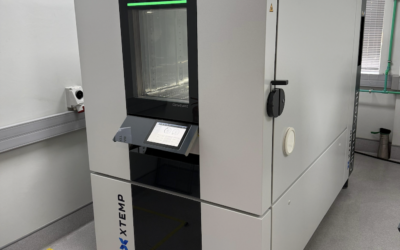
In the world of environmental testing, achieving reliable and accurate results is paramount. At XTEMP Environmental Test Systems, we understand that the effectiveness of testing processes hinges significantly on the maintenance and calibration of test chambers. In this article, we will delve into the importance of these practices, explore key refrigeration technologies, and highlight the essential role of qualified service engineers in ensuring optimal performance.
The Vital Role of Test Chamber Maintenance and Calibration
Regular maintenance and calibration of test chambers are not merely routine tasks; they are indispensable components that secure the integrity of testing outcomes. Below, we outline the primary benefits:
1. Enhanced Accuracy
At the heart of environmental testing is the necessity for precise conditions. Over time, test chambers can drift from their calibrated settings due to various factors such as wear and tear, environmental changes, and component aging. Regular calibration serves to adjust and align these conditions, ensuring that the tests conducted yield reliable and reproducible results. This consistency is critical not only for internal assessments but also for meeting industry standards that validate product performance and compliance.
2. Improved Reliability
Downtime due to equipment failure can dramatically affect project timelines and budgets. A well-maintained test chamber is less likely to experience unexpected breakdowns. By implementing a routine maintenance schedule, organizations can conduct proactive checks and repairs, significantly reducing the risk of interruptions. This reliability allows businesses to stick to their timelines and fulfill commitments to stakeholders without unpleasant surprises.
3. Prolonged Equipment Lifespan
Like any machinery, test chambers require care to function effectively over time. Regular maintenance minimizes the wear and tear associated with daily operations, thereby extending the lifespan of your equipment. This proactive approach leads to cost savings as it decreases the need for costly repairs or untimely replacements. Investing in your equipment’s health is an investment in the future of your operations.
Navigating Refrigeration Technologies: R449 and R23
A critical aspect of test chamber operation is the refrigeration technology employed. Cascade systems often utilize refrigerants like R449 and R23, each with specific applications that enhance testing capabilities:
- R449 is recognized for its energy efficiency and lower environmental impact, making it ideal for medium-temperature applications. Its compliance with modern regulatory standards positions it as a favorable option in environmentally-conscious testing environments.
- R23, on the other hand, is essential for low-temperature stages, providing the extreme cooling necessary for rigorous testing scenarios. While effective, its use comes with significant responsibilities; strict adherence to safety and environmental regulations is crucial to ensure safe handling and minimize environmental risks.
Understanding these refrigeration rules is critical for any organization involved in environmental testing. Proper management of these refrigerants aligns with industry best practices and contributes to a safer testing environment.

The Indispensable Role of Qualified Service Engineers
Despite having advanced technology, the true success of maintenance and calibration processes lies in the hands of qualified service engineers. Their expertise assures that test chambers are not only functioning correctly but also compliant with relevant regulations. Here’s a deeper look into their importance:
1. Compliance with Local Regulations
Navigating the regulatory landscape can be complex, especially regarding refrigerant handling. Qualified engineers are well-versed in these local laws and safety protocols, ensuring that your operations adhere to legal standards. This not only protects your organization from potential fines or legal issues but also enhances your reputation in the industry.
2. Proper Handling of Refrigerants
The risks associated with refrigerants are significant, including potential leaks that can lead to environmental contamination. Trained engineers are adept at managing these substances responsibly, minimizing hazards through proper recovery, recycling, and disposal methods. Their proactive approach to safety not only protects the environment but also ensures the integrity of your testing operations.
3. Expertise in Equipment Maintenance
The technical knowledge that qualified engineers bring is invaluable. They can perform necessary calibrations and maintenance with precision, ensuring each component of the test chamber operates at peak performance. Their ability to identify and address potential issues before they escalate reduces downtime and enhances overall efficiency, allowing your organization to focus on its core activities without disruptions.

Calibration Procedure in Accordance with IEC 60068-3-5
IEC 60068-3-5 is an international standard that outlines specific methodologies for the calibration of temperature chambers, ensuring that they can accurately simulate environmental conditions for effective product testing. The calibration procedure defined by this standard typically includes the following key steps:
- Preparation and Setup:
- Ensure that the test chamber is clean and free from any obstructions that could affect temperature readings.
- Verify that all control settings are at their baseline or default values before calibration.
- Thermal Mapping:
- Conduct thermal mapping to assess the temperature distribution within the chamber. This involves placing calibrated temperature sensors at various strategic locations inside the test chamber.
- Monitor and record the temperature readings at these points over a specified period to evaluate the uniformity of the temperature distribution.
- Sensor Calibration:
- Check the accuracy and calibration status of existing sensors against a recognized reference standard.
- If discrepancies are found, adjust or replace the sensors accordingly to retain accurate measurement capabilities.
- Conducting the Calibration:
- Establish a test plan that outlines the desired temperature set points to be calibrated.
- Gradually adjust the chamber to these set points and allow sufficient stabilization time for each temperature level.
- Record the actual temperature over a defined period, ensuring comparability with the set values, and document any variations.
- Data Analysis:
- Analyze the recorded data to identify deviations from expected values. This includes calculating the average and standard deviations to assess performance.
- Determine if the temperature distribution meets the specified tolerances outlined in IEC 60068-3-5.
- Documentation:
- Compile all calibration results and observations in a calibration report. This report should detail the methodologies used, conditions during testing, any adjustments made, and results achieved.
- Ensure that all findings are traceable to national or international standards, reinforcing the credibility of the calibration.
- Follow-Up Actions:
- Based on the calibration results, implement any necessary corrective actions to address identified discrepancies.
- Schedule regular maintenance and calibration intervals to maintain accuracy over time, ensuring ongoing compliance with IEC 60068-3-5.
By following these procedures, organizations can ensure that their temperature chambers deliver precise and reliable results, facilitating compliance with testing standards and enhancing product quality.

The Importance of Performing Onsite Maintenance and Calibration Together
One of the most effective strategies for maintaining test chambers is to perform maintenance and calibration together during onsite visits. This integrated approach offers several key advantages:
1. Comprehensive Equipment Assessment
When maintenance and calibration tasks are executed simultaneously, technicians have the opportunity to perform a thorough assessment of the test chamber’s entire operating condition. Maintenance often involves checking for wear and tear, cleaning components, and replacing parts, while calibration confirms that equipment settings are accurate. Together, these tasks provide a complete picture of the equipment’s health.
2. Minimized Downtime
Conducting maintenance and calibration in a single onsite visit minimizes the number of times equipment needs to be taken offline. This efficiency is crucial for organizations striving to maintain productivity and avoid project delays. Fewer service interruptions mean more reliable access to testing capabilities, which are vital for meeting project timelines.